

In an era where technology is rapidly evolving, the transportation industry is witnessing a revolutionary transformation through the integration of smart trailers and Internet of Things (IoT) innovations. These advancements are not just enhancing efficiency but are reshaping the entire logistics landscape. Smart trailers equipped with IoT sensors provide real-time data on location, temperature, and load status, enabling fleet operators to make informed decisions instantaneously.
By leveraging IoT technologies, these smart trailers can communicate seamlessly with centralized systems, facilitating proactive maintenance and reducing downtime. The ability to track assets and monitor conditions enhances the reliability of deliveries, while also minimizing losses caused by environmental factors. With the growing demand for smarter supply chains, the adoption of IoT-driven smart trailers is primed to become a standard in the industry.
As we delve deeper into this topic, we will explore how these innovations not only promise operational efficiency but also pave the way for sustainable practices. The convergence of smart technologies and traditional transport methods is set to redefine logistics in the coming years, positioning smart trailers as a cornerstone for the future of global transportation.
Real-time Monitoring Solutions for Fleet Management

In an era where technology is rapidly evolving, smart trailers equipped with Internet of Things (IoT) innovations are revolutionizing fleet management. Real-time monitoring solutions provide fleet operators with critical insights into the performance and condition of vehicles, enabling more efficient operations and enhanced safety.
These solutions utilize various sensors and telematics devices installed in trailers to collect data on various parameters, including location, speed, tire pressure, and temperature. This information is transmitted in real-time to a centralized system, allowing fleet managers to monitor their assets continuously. By having immediate access to this data, operators can make informed decisions that optimize routes, reduce fuel consumption, and minimize downtime.
Moreover, smart trailers equipped with real-time monitoring can significantly improve maintenance protocols. Predictive analytics, derived from continuous data streams, help identify potential mechanical issues before they lead to breakdowns. This proactive approach not only reduces repair costs but also extends the lifespan of the trailer, ensuring that vehicles are always ready for operation.
Safety is another critical aspect highlighted by real-time monitoring systems. By tracking driver behavior and environmental conditions, fleet managers can implement targeted training programs to enhance safety practices. Additionally, in the event of an accident or unexpected incident, immediate access to trailer location and status information can expedite response times and facilitate timely assistance.
Ultimately, the integration of real-time monitoring solutions in fleet management enhances operational efficiency and contributes to sustainability goals. By optimizing resource use and reducing emissions through smarter logistics, these technologies represent a significant leap forward in modern transportation management.
Data Analytics for Optimizing Trailer Performance
The integration of data analytics into smart trailer technology revolutionizes the logistics and transportation industry. By leveraging real-time data from IoT devices, fleet managers can gain insights into various aspects of trailer performance, improving efficiency and reducing operational costs.
Smart trailers equipped with sensors collect data on parameters such as weight distribution, tire pressure, cargo temperature, and route conditions. Analyzing this data allows companies to identify trends and potential issues before they escalate into costly problems. For instance, understanding tire pressure patterns can lead to preventative maintenance, enhancing safety and extending the lifespan of the trailer.
Data analytics also empowers fleet managers to optimize routes based on current traffic patterns and weather conditions. By considering these variables, trailers can be directed along the most efficient paths, minimizing fuel consumption and reducing delivery times. Predictive analytics can forecast potential delays, allowing for timely adjustments to schedules.
Furthermore, smart trailers can provide feedback on driving behavior, which can be analyzed to promote safer driving practices among operators. By correlating this data with maintenance records and fuel efficiency, companies can develop targeted training programs to enhance overall performance.
In conclusion, the application of data analytics in smart trailers not only streamlines operations but also creates a competitive advantage in the industry. By harnessing the power of data, companies can ensure their trailers perform at optimal levels, ultimately leading to improved customer satisfaction and increased profitability.
Integrating Smart Trailers with Supply Chain Logistics
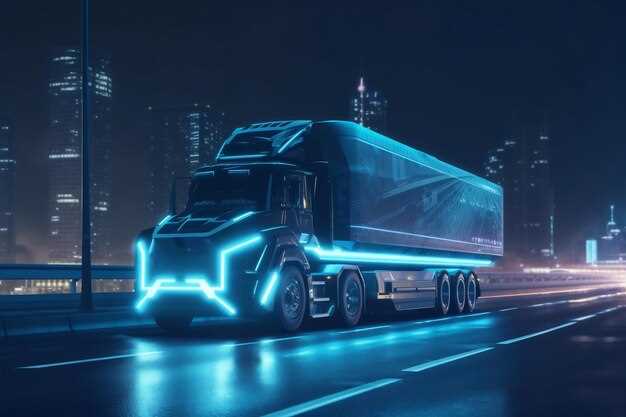
The integration of smart trailers equipped with IoT technology into supply chain logistics is revolutionizing the transportation industry. Smart trailers are outfitted with various sensors and devices that collect real-time data, enhancing visibility and efficiency throughout the logistics process.
By leveraging IoT connectivity, smart trailers provide critical information such as location tracking, temperature monitoring, and load status. This data is transmitted to logistics managers, allowing for proactive decision-making and minimizing delays in the supply chain. For instance, real-time temperature control ensures that perishable goods remain in optimal conditions, reducing spoilage and enhancing customer satisfaction.
Moreover, the implementation of smart trailers facilitates predictive maintenance. IoT sensors can monitor the condition of trailer components, alerting operators to potential issues before they escalate into costly breakdowns. This not only improves vehicle reliability but also minimizes repair costs and downtime, maintaining the flow of goods in the supply chain.
Furthermore, the integration of smart trailers supports advanced analytics capabilities. By analyzing data trends over time, companies can optimize routes, consolidate loads, and improve overall supply chain efficiency. This data-driven approach leads to reduced fuel consumption, lower operational costs, and increased profitability.
In conclusion, the integration of smart trailers equipped with IoT technology into supply chain logistics presents significant advantages, including enhanced visibility, predictive maintenance, and data-driven optimization. As the logistics industry continues to evolve, embracing these innovations will be crucial for maintaining competitiveness and meeting the demands of modern consumers.


