
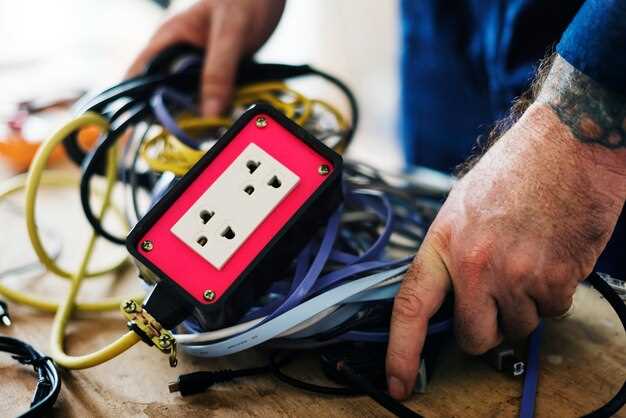
When it comes to enhancing the functionality and safety of your trailer, adding extra lights can make a significant difference. Whether you’re going on a camping trip or hauling cargo, proper illumination ensures better visibility and reduces the likelihood of accidents. This guide will provide you with essential tips for a successful DIY project aimed at wiring additional lights onto your trailer.
Understanding the wiring process is crucial for ensuring your extra lights operate efficiently and safely. The right approach not only enables effective usage of the lights but also helps avoid common pitfalls that can arise from improper installations. By following this guide, you’ll acquire the knowledge necessary to tackle this electrical project with confidence.
In this article, we will discuss the types of lights suitable for trailers, the tools you’ll need, and step-by-step instructions for wiring them correctly. With a bit of patience and the right materials, you’ll be able to enhance your trailer with the lights you need for any journey. Let’s get started on illuminating your path!
Choosing the Right LED Lights for Your Trailer
When selecting LED lights for your trailer, consider factors such as brightness, color temperature, and energy efficiency. The right lights will not only enhance visibility but also improve overall safety.
Brightness is typically measured in lumens. For trailers, aim for lights that provide ample brightness without creating glare. A range of 600 to 1200 lumens is often suitable for general use, while specific areas may require more intense lighting.
Color temperature affects mood and visibility. LED lights come in various temperatures measured in Kelvins. A cooler light (around 6000K) offers a bright and clear illumination, which is ideal for work and nighttime visibility, while warmer lights (3000K) can create a more inviting atmosphere, helpful during social events.
Energy efficiency is another critical factor. LEDs are known for their low power consumption, which helps extend the life of your trailer’s battery. Opt for lights with high lumens-per-watt ratios to ensure you maximize your energy use.
Consider the DIY installation process when choosing LED lights. Many options come with user-friendly instructions and do not require specialized tools. Look for lights that include mounting hardware and clear wiring diagrams to simplify the installation process.
Lastly, evaluate the durability and weather resistance of the lights. Choose options rated for outdoor use to withstand various environmental conditions. Look for lights with a high IP (Ingress Protection) rating, which indicates resistance to dust and water.
In summary, selecting the right LED lights for your trailer involves assessing brightness, color temperature, energy efficiency, ease of installation, and durability. Making informed choices will enhance your trailer’s functionality and safety.
Understanding Trailer Wiring Colors and Functions

When wiring extra lights on your trailer, it’s crucial to understand the standard color coding of trailer wires and their specific functions. This knowledge ensures accurate connections and reliable performance of all lights, minimizing the risk of electrical faults.
The most common wiring system for trailers is the four-pin setup. In this configuration, each wire serves a specific purpose based on its color:
Brown Wire: The brown wire is responsible for the tail lights and running lights. This wire provides power for the lights that indicate the trailer’s presence during low-light conditions.
Yellow Wire: The yellow wire is dedicated to the left turn signal and left brake light. It is crucial for signaling turns and braking actions to other drivers on the road.
Green Wire: The green wire operates the right turn signal and right brake light. Like the yellow wire, it is essential for safe navigation and communication with other vehicles.
White Wire: The white wire serves as the ground wire. It completes the electrical circuit by connecting the trailer’s lighting system to the towing vehicle’s chassis. A secure ground connection is vital to prevent flickering lights and ensure consistent operation.
In addition to the standard four-pin system, trailers may utilize a five, six, or seven-pin wiring harness for added functions like reverse lights or electric brakes. Each additional pin typically has its own designated color and function, which should be identified as per the manufacturer’s specifications.
Understanding these wiring colors and functions is essential for effectively installing extra lights on your trailer, ensuring they operate properly for safety and visibility while on the road.
Step-by-Step Installation of Extra Lights on Your Trailer
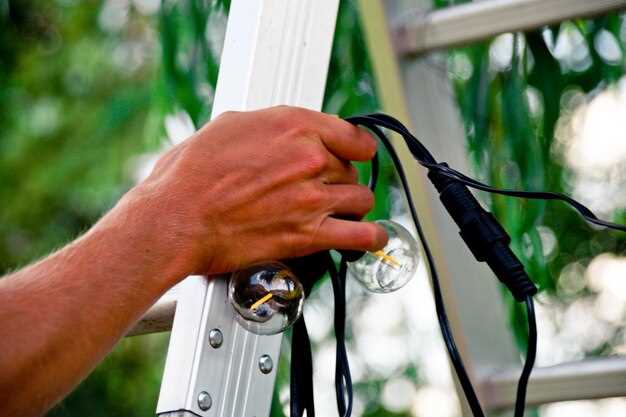
Adding extra lights to your trailer can enhance visibility and safety during travel. Follow these step-by-step instructions for a successful diy wiring project.
Materials Needed: Before starting the installation, gather the following materials: extra lights, a wiring harness or individual wires, connectors, a switch, electrical tape, and tools such as a wire stripper and a screwdriver.
Step 1: Plan the Layout Determine where you want to install the extra lights. Common locations include the rear, sides, or above the trailer. Mark these spots to ensure even spacing and accessibility for wiring.
Step 2: Disconnect Power Before starting any wiring, disconnect the trailer’s power source to avoid electrical shocks or shorts during installation. This step is crucial for safety.
Step 3: Run Wiring Using a wire stripper, prepare the wires by removing about half an inch of insulation. Run the wiring from the trailer’s power source to the desired light locations. Ensure the wires are secured and protected from abrasion using conduit or electrical tape.
Step 4: Connect Lights Install the extra lights by connecting the wires according to the manufacturer’s instructions. Typically, this involves connecting positive (usually red) and negative (usually black) wires. Use appropriate connectors to ensure a secure fit.
Step 5: Install a Switch If your lights require a switch, find a convenient location on the trailer to mount it. Connect the switch to the power source and the wiring leading to the lights following the wiring diagram included with the lights.
Step 6: Test the Lights Once everything is connected, reconnect the power source and test the lights. Ensure that all extra lights function correctly, and check for any flickering or dimming that may indicate a wiring issue.
Step 7: Final Checks After testing, secure all wiring with electrical tape or zip ties, and double-check that there are no exposed wires. This precaution prevents damage from weather or road conditions.
Following these steps will ensure a safe and effective installation of extra lights on your trailer, enhancing both visibility and safety on the road.


