

Understanding the intricacies of trailer registration is essential for vehicle owners who wish to comply with legal standards. Registration is not merely a bureaucratic formality; it serves as a legal acknowledgment of ownership and ensures that trailers are in accordance with safety standards laid out by various regulatory bodies. This comprehensive guide aims to outline the necessary regulations and requirements for trailer registration across different jurisdictions.
Each state and country may have its own specific registration procedures and documentation requirements, which can often lead to confusion for owners. From weight classifications to identification numbers, various criteria must be addressed to successfully complete the registration process. To help streamline this journey, we will delve into the core requirements, including types of trailers that need to be registered, necessary paperwork, and the associated fees.
Moreover, failure to register a trailer properly can lead to penalties, fines, and even possible impoundment of the vehicle, making it crucial for owners to remain informed about their obligations. This guide will provide you with clear and actionable insights to ensure that your trailer registration process is efficient and compliant with all local laws.
Understanding State-Specific Trailer Registration Laws

Trailer registration laws in the United States vary significantly from state to state, making it essential for owners to understand the specific requirements in their jurisdiction. Each state has its own rules regarding registration fees, necessary documentation, and inspection processes that must be adhered to in order to operate a trailer legally.
In some states, trailer registration may be a straightforward process, involving minimal paperwork and a simple application. Others may require additional steps, such as obtaining a Vehicle Identification Number (VIN) or passing a safety inspection before a trailer can be registered. It’s crucial for owners to familiarize themselves with their state’s specific regulations to avoid penalties.
Many states require proof of ownership, which can include a bill of sale, a title from a previous owner, or manufacturer documents. Furthermore, registration fees can vary widely, some states charging a flat rate while others base fees on the trailer’s weight or purpose. Owners should consult their state’s Department of Motor Vehicles (DMV) or equivalent agency for accurate fee structures and payment methods.
Another important aspect is the renewal of trailer registration. States typically require annual or bi-annual renewals, and the timing for these can differ. Late renewals may incur additional fees, so keeping track of renewal dates is paramount for compliance.
Additionally, certain states impose specific requirements for commercial trailers, which may differ from personal or recreational ones. For example, commercial trailers may need to meet stricter safety and operational guidelines. Understanding these distinctions can prevent future legal issues.
Ultimately, trailer owners must be proactive in researching and understanding their state’s registration laws to ensure a smooth and compliant ownership experience. Resources such as state motor vehicle websites and local DMV offices serve as valuable guides in navigating these regulations.
Necessary Documentation for Trailer Registration
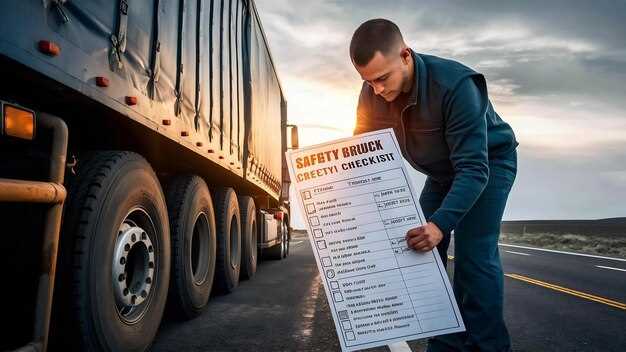
To successfully register a trailer, there are specific legal documents required by most states. These documents ensure that the ownership and integrity of the vehicle are verified during the registration process.
The primary document needed is the proof of ownership, which can be in the form of a manufacturer’s certificate of origin (MCO) for new trailers or a valid title for used trailers. If the trailer was purchased from a dealer, the bill of sale should also be included.
Additionally, a completed trailer registration application must be submitted. This form typically requires details such as the trailer’s make, model, year, Vehicle Identification Number (VIN), and weight specifications.
In some jurisdictions, proof of insurance may also be required, demonstrating that the trailer is covered under an active insurance policy. Furthermore, some states mandate a physical inspection of the trailer, especially if it is used or has an out-of-state title.
Payment of the registration fee is another essential step. The amount varies by state and can depend on factors such as the trailer’s weight and type.
Lastly, it is advisable to check if any additional legal documents are needed based on specific state regulations, as requirements can vary significantly.
Common Mistakes to Avoid During the Registration Process
When registering a trailer, many individuals make common mistakes that can lead to legal complications and delays. One of the most significant errors is failing to provide accurate information on the registration form. Always double-check the details such as the Vehicle Identification Number (VIN), weight, and owner information to ensure they match your documentation.
Another frequent mistake is neglecting to gather all required documents before submission. Different jurisdictions may have specific requirements such as proof of ownership, bill of sale, and insurance information. Familiarizing yourself with these legal mandates beforehand can save time and prevent unnecessary frustration.
Some applicants overlook the importance of checking for liens. If the trailer is financed or has any outstanding loans, this information must be disclosed during the registration process. Ignoring this fact could lead to future legal issues regarding ownership.
Additionally, individuals often forget to pay the necessary fees associated with the registration. Ensure you understand the cost structure in your area, including taxes, title fees, and any other charges. Skipping this step can result in processing delays or rejection of your application.
Lack of timely registration is another pitfall. Many regions have specific timeframes within which a trailer must be registered after purchase. Failing to adhere to these deadlines can lead to fines or legal penalties.
Lastly, people frequently assume that regulations remain the same across all locations. It’s essential to check the specific laws of your state or country since they can vary significantly. Keeping informed about changes in local regulations can help you avoid legal issues down the line.


